
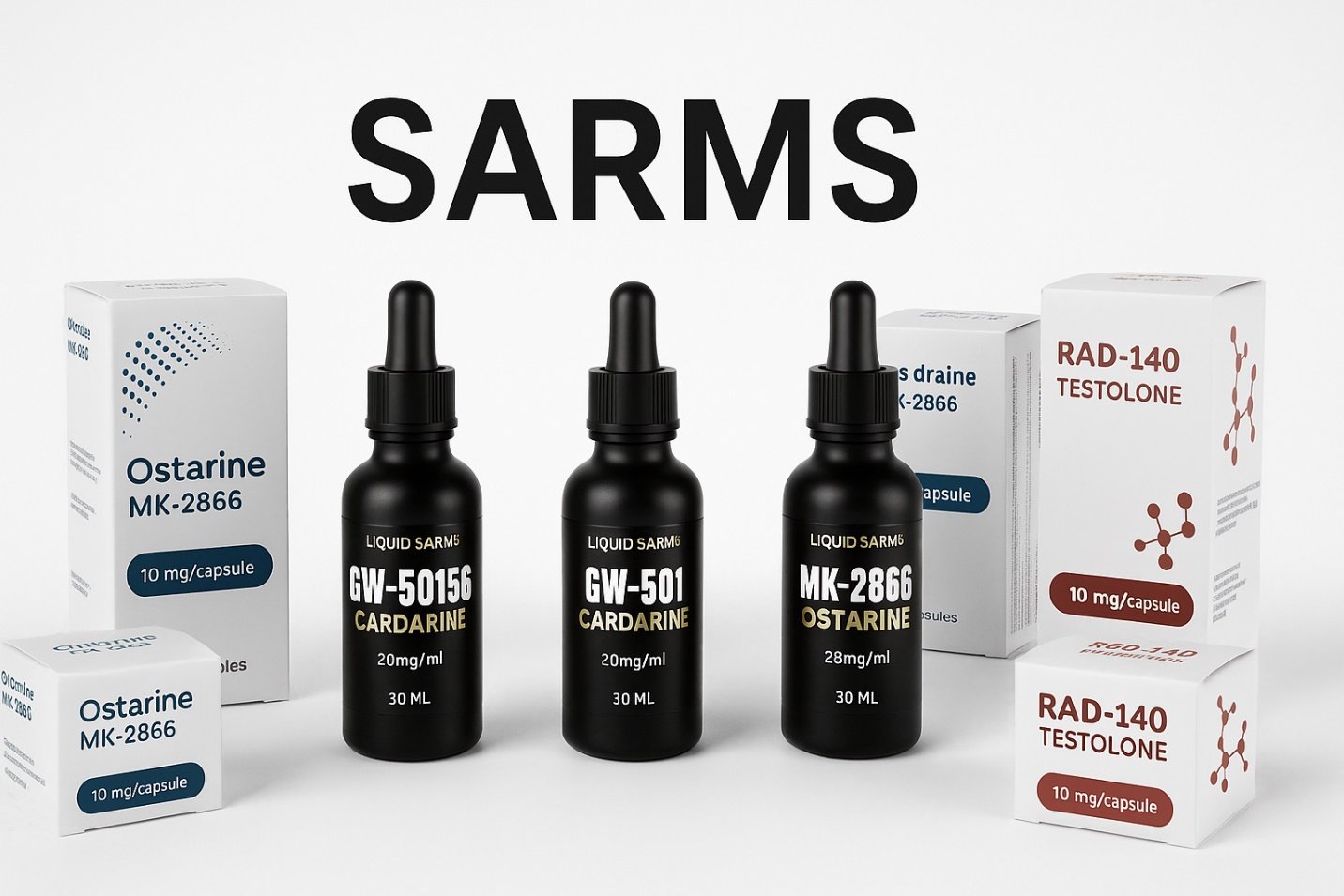
The world of performance enhancement continues to evolve, and few categories have gained as much attention as selective androgen receptor modulators — SARMs. These compounds were originally created for medical research, particularly for patients suffering from muscle wasting, bone density loss, and recovery limitations. Over time, their unique selective action made them appealing to fitness enthusiasts seeking growth, recovery, and recomposition benefits without the burdens commonly linked to traditional anabolic steroids. As interest continues to rise, platforms like https://bigboy-shop.com/product-category/sarms/ showcase a full spectrum of options that align with advanced training goals, physique development, and performance progression.
What makes SARMs so distinct is their targeted interaction with androgen receptors. Instead of affecting the entire body, they bind specifically to muscle and bone tissue, creating a controlled anabolic response. This approach represents a turning point: a system where effects are concentrated where they are desired, rather than diffused across hormonal pathways that can trigger unintended consequences. Even though SARMs have gained popularity in the fitness world, they remain research compounds, which means users must operate with responsibility and informed expectations. Nonetheless, the potential they offer for structured growth and physical optimization is difficult to overlook.
This comprehensive guide explores every aspect of SARMs — how they function, what benefits they are known for, what cycles look like, how the body reacts, which compounds differ from others, and what realistic outcomes users can expect. With a focus on clarity and depth, this article aims to equip readers with a balanced and practical understanding of SARMs and their evolving role in modern training.
Why SARMs Became a Major Topic in Fitness and Bodybuilding
In the past, the only way to achieve rapid anabolic improvements was through steroid use. While effective, steroids affect androgen receptors throughout the body, leading to water retention, hormonal shifts, and secondary effects in organs unrelated to muscle development. SARMs were developed to solve this problem.
Their selectivity is the foundation of their appeal. By binding mainly to muscle and bone receptors, SARMs offer:
- Controlled muscle-building effects
- Reduced interference with other organ systems
- Lower likelihood of estrogen conversion
- A more predictable recovery experience
This does not make SARMs perfect, nor does it eliminate the possibility of side effects. But their precision makes them an attractive option for individuals seeking measurable results without excessive systemic burden.
Another important reason for their rising popularity is their reported consistency. When paired with disciplined training and proper nutrition, SARMs can produce noticeable changes within a structured cycle length. Many users experience better workout quality, enhanced muscular response, and improved body composition — factors that fuel ongoing interest.
SARMs vs. Steroids: Key Differences That Matter
Although both steroids and SARMs can produce anabolic outcomes, their mechanisms differ sharply.
1. Target-Specific Activation
Steroids activate androgen receptors everywhere, while SARMs target specific tissues. This difference changes the entire profile of effects the user experiences.
2. Reduced Aromatization
Conventional steroids convert into estrogen or DHT, increasing the risk of side effects. SARMs generally avoid these pathways due to their non-steroidal design.
3. Health and Safety Positioning
Steroids have long been associated with liver strain, prostate stress, hair issues, and aggressive hormonal disruption. SARMs aim to minimize these risks by working selectively, although they still require careful cycling.
4. Intended Origin
Steroids were developed for systemic hormone replacement and bodybuilding enhancement. SARMs were developed primarily for medical solutions to tissue degradation — their athletic use evolved later.
Together, these distinctions explain why SARMs have become a modern alternative for users who want improvement without unnecessary complexity.
What to Expect from SARMs: Outcomes Backed by User Experience
Every SARM has its own unique profile. While studies and reports may vary, consistent patterns have emerged among users, indicating what each compound tends to contribute during a cycle. Below is a summarized view:
| SARM | Primary Effect | Secondary Effect | Timeframe for Results |
| Ostarine (MK-2866) | Muscle preservation | Fat reduction | 2–3 weeks |
| RAD-140 (Testolone) | Strength & mass gain | Enhanced recovery | 2–4 weeks |
| LGD-4033 (Ligandrol) | Strength progression | Dense muscle growth | 3–5 weeks |
| YK-11 | Myostatin inhibition | Rapid size increase | 1–2 weeks |
| Cardarine (GW-501516) | Endurance | Fat oxidation | 1 week |
SARMs are not magic, but the synergy between training, diet, and these compounds can deliver powerful results when used strategically.
Lean Muscle Growth Without Excess Water Weight
One of the standout characteristics of SARMs is their ability to support clean, defined muscle growth. Unlike anabolic steroids, which often cause fluid buildup inside muscle cells, SARMs produce:
- Fuller, firmer muscle appearance
- More defined outlines
- Increased fiber density instead of puffiness
- Stronger contractions under load
Users often describe the visual and structural changes as “solid” rather than bloated. This makes SARMs especially appealing for those who prioritize aesthetics alongside performance.
RAD-140 and LGD-4033 have earned reputations as top-tier muscle-building SARMs due to their impact on protein synthesis, recovery, and overall training quality.
Muscle Retention During Fat Loss
Maintaining muscle during a caloric deficit is a challenge for even the most disciplined athletes. SARMs such as Ostarine (MK-2866) are widely recognized for their support in this phase.
Benefits during a cutting cycle may include:
- Preventing muscle breakdown
- Maintaining training strength
- Improving physical hardness
- Achieving a more defined physique
This ability to retain muscle while reducing fat is a central reason SARMs are utilized by individuals preparing for aesthetic or competitive goals.
Strength Gains and Performance Improvements
Many SARMs produce noticeable strength increases, often sooner than users expect. These improvements are not limited to maximal lifts but extend into overall training performance.
Users frequently report:
- More explosive power
- Enhanced stability during compound lifts
- Increased rep volume
- Faster adaptation to heavier weights
RAD-140 and YK-11 are especially known for their potency in this domain, often delivering clear breakthroughs in performance within the first month of a cycle.
Recovery Advantages: Training More Often Without Burnout
Recovery is a critical factor in progress. SARMs tend to accelerate this process, allowing users to increase training frequency without overwhelming fatigue.
Common improvements include:
- Reduced soreness after high-intensity sessions
- Quicker muscular repair
- Better readiness for consecutive workouts
- Sustained energy across weekly training blocks
This accelerated recovery cycle can dramatically enhance long-term progress for individuals focused on strength or physique development.
True Body Recomposition: Building Muscle While Losing Fat
Recomposition has traditionally been difficult — gaining muscle and losing fat at the same time demands precise nutrition and optimal training stimulus. SARMs change the equation by influencing pathways that support both processes at once.
Typical recomposition changes include:
- Smaller waistline
- Bigger shoulders and chest
- Harder and more defined muscle appearance
- Noticeably better proportions at the same scale weight
This shift is especially pronounced in beginners or those returning to training after a break. More advanced users often experience improvements in density and detail rather than dramatic size changes.
How to Structure SARMs Cycles Responsibly
SARMs must be used with proper cycle planning to balance effectiveness and safety. The table below outlines experience-based guidelines:
| SARM | Daily Dose | Cycle Length | User Level | PCT Required? |
| Ostarine (MK-2866) | 10–20 mg | 6–8 weeks | Beginner | Not always |
| RAD-140 | 10–20 mg | 6–8 weeks | Intermediate/Advanced | Yes |
| LGD-4033 | 5–10 mg | 6–10 weeks | Intermediate | Yes |
| YK-11 | 5–10 mg | 4–6 weeks | Advanced | Yes |
| Cardarine | 10–20 mg | 6–8 weeks | All users | No |
Cycle structure is not one-size-fits-all, but these ranges reflect patterns widely observed across experienced users.
Adjusting Dosage: Why Less Can Sometimes Be More
Beginners often assume higher doses produce faster results. However, SARMs respond best to moderation. Starting at the lower end of the recommended dose allows:
- Better monitoring of the body’s reaction
- Quicker identification of adverse effects
- More sustainable long-term use
- Steady results without overburdening systems
Advanced users may experiment with the higher end, but only with appropriate understanding of hormonal management.
Cycle Duration and Recovery Periods
Most SARMs work best within 6 to 10 weeks. Extending cycles increases the likelihood of hormonal suppression and slow recovery. A responsible cycle includes:
- Controlled dosage
- A clear endpoint
- A sufficient break before starting another cycle
This strategic spacing allows the endocrine system to stabilize before undergoing another stimulation phase.
Best Time of Day to Take SARMs
Because many SARMs have long half-lives, a single daily dose is generally enough. Compounds that influence energy should be taken earlier in the day to avoid sleep disturbance.
If splitting doses, morning and late afternoon are common timing choices. However, consistency matters more than timing — taking the dose at the same time each day produces more stable outcomes.
Potential Side Effects: What Every User Should Know
SARMs are often promoted as a safer alternative to steroids, but they still carry potential risks. Their selective action reduces the likelihood of systemic effects, yet some users report:
- Mild hormonal imbalance
- Temporary lethargy
- Decreased libido after cycles
- Mood fluctuations
- Slight headaches
These effects depend on dosage, duration, and individual sensitivity. Awareness and monitoring are essential parts of responsible use.
Testosterone Suppression: An Important Consideration
One of the most important topics in SARMs education is suppression — the body’s reduced natural testosterone production during and after use.
Suppression can manifest as:
- Low motivation
- Reduced training drive
- Changes in libido
- Slower post-cycle recovery
For stronger SARMs, PCT (Post Cycle Therapy) becomes highly advisable to help restore natural hormone levels more efficiently.
Common Questions About SARMs
1. What exactly are SARMs?
They are selective compounds designed to activate androgen receptors in muscle and bone, supporting anabolic activity without widespread hormonal interference.
2. Are SARMs legal to buy and use?
Their classification varies by region. They are widely available as research chemicals but are not approved pharmaceuticals in most areas.
3. Which SARMs are the most popular?
Ostarine, RAD-140, and LGD-4033 are among the most sought-after due to their balance of strength, growth, and recovery benefits.
4. Is PCT necessary after every SARM?
Not for all SARMs, but strongly recommended after compounds that show stronger suppression effects.
5. Can SARMs be combined?
Yes, experienced users often create stacks to target specific goals. However, stacking increases complexity and requires careful planning.
Conclusion: The Evolving Role of SARMs in 2025 and Beyond
SARMs represent a modern tier of performance enhancement — one based on scientific targeting, strategic cycle structure, and refined anabolic potential. They deliver measurable benefits when used intelligently, from muscle preservation during cuts to powerful strength surges during bulks, to true recomposition effects. Their selective mechanism attracts those who want results but prefer to avoid the broader risks associated with steroids.
Education is essential. Understanding how SARMs work, how to cycle them, and how to manage recovery ensures that users gain the most benefit with the least strain on their health. As access grows through platforms such as https://bigboy-shop.com/product-category/sarms/, responsible and informed use becomes more important than ever. SARMs are not shortcuts — they are tools. With the right approach, they can elevate performance, appearance, and training capability while guiding users toward long-term, sustainable progression.